If you cook ahead for the week, the container matters less than people think — but a few details decide whether you use it every day or leave it at the back of a cupboard. This guide explains what to look for in glass meal-prep containers and when another material might suit you better.
Glass, plastic or stainless steel?
There is no single best material. It depends on how you eat and carry your meals.
| Material | Strengths | Limitations | May suit you if… |
|---|---|---|---|
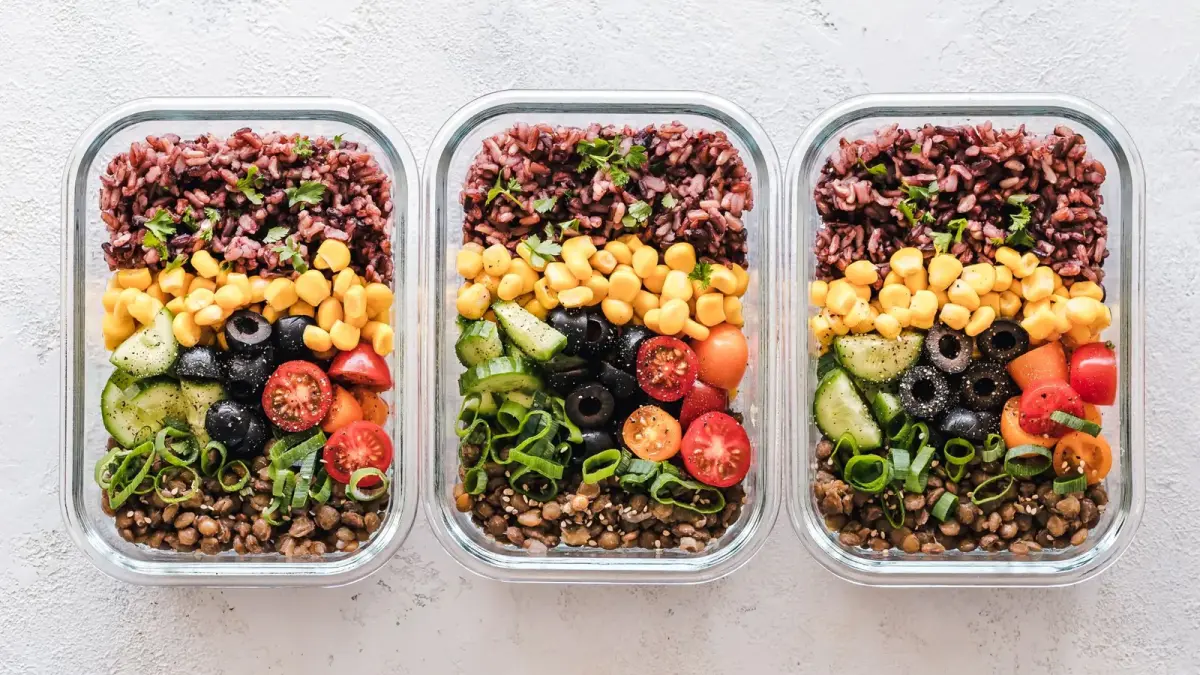
| Glass | Does not stain or hold odors the way some plastics can; many are made for oven, microwave and freezer use (check the maker’s limits); easy to see what is inside | Heavier; can chip or break; needs care with sudden temperature changes | You mostly eat at home or at a desk and reheat often |
| Plastic | Light and less likely to break; usually the cheapest | Can stain, warp or scratch over time; check that the specific product is labeled microwave-safe | You carry food a lot, or you need something kid-proof |
| Stainless steel | Durable and light | Cannot go in the microwave; you cannot see the contents | You eat cold meals, or reheat in a pan or oven |
What to check before you buy glass containers
- Lids and seals. Lids are usually the part that fails first. Look for secure latches or tight seals and for lids that are dishwasher-safe. Check whether replacement lids can be bought separately.
- Temperature limits. Read what the maker says about the oven, microwave, freezer and dishwasher. Lids often have different limits from the glass.
- Sizes you will really use. A mix of smaller containers for single portions and a few larger ones for sides or family-size dishes is more useful than a set of identical boxes.
- Shape and stacking. Square or rectangular containers usually stack and fit in a fridge better than round ones.
- Weight. Pick one up if you can. A full glass container is noticeably heavier than plastic, which matters if you carry lunches.
- Labeling. A flat lid you can write on with a washable marker, or a spot for a sticky label, makes it easier to track what is for which day.
Food-safety habits that matter more than the container
These come from the USDA’s guidance on leftovers:
- Refrigerate cooked food within two hours.
- Cool food quickly by dividing it into shallow containers.
- Keep leftovers in the refrigerator for 3 to 4 days, or freeze them.
- Reheat leftovers to 165°F (74°C).
Follow the maker’s instructions when moving glass between very cold and very hot places, and stop using any container that is chipped or cracked.
A simple starter mix
If you are not sure what to buy, think about how you will use them. For example, someone prepping weekday lunches might start with several small-to-medium containers for individual meals plus two larger ones for batch-cooked grains or sauces. You can always add more once you see what you reach for.
Where to look
If you would like to browse, you can search glass meal-prep containers on Amazon (affiliate link). Use the checklist above rather than star counts alone.
Plan the week around them
Containers only help if you know what is going in them. Our free Meal Planner turns a few preferences into a week of general meal ideas with a grocery checklist, and our guide to a realistic weekly meal-prep routine shows how to fit it into a busy week.
Sources and further reading
This article is general information, not medical advice. It does not replace guidance from your doctor, midwife, pediatrician or other qualified professional. Read our health information disclaimer.