If you have ever stood in the baby aisle reading “BPA-free” labels and wondered whether you were doing something wrong, you are not alone. Headlines about plastic and chemicals can make any parent worry. The good news is that you do not have to throw out every plastic item in your house. A few simple habits go a long way.
⚡ The short answer
BPA (bisphenol A) is a chemical used to make certain hard plastics and the linings of many food cans. The FDA says BPA is safe at the levels currently found in food. Some health groups, including the American Academy of Pediatrics, suggest simple steps to lower exposure anyway, such as not microwaving plastic and choosing glass or stainless steel for hot food and drinks.
You do not need to be perfect. A few easy swaps are enough.
This guide is general information, not medical advice. If you have concerns about your baby’s bottles, formula or health, talk with your pediatrician. Please do not switch a baby’s formula or feeding method because of BPA worries without asking your doctor first. 🍼
What Is BPA?
BPA stands for bisphenol A. The FDA describes it as an industrial chemical used to make polycarbonate plastic and epoxy resins. Polycarbonate is a clear, hard plastic found in some reusable beverage containers. Epoxy resins are used as protective linings inside many metal food and beverage cans. BPA has been used in food packaging since the 1960s, according to the FDA.
Small amounts of BPA can move (the word experts use is “migrate”) from packaging into food or drinks. This can happen more when plastic is heated, scratched or washed many times.
What do the experts say?
Different groups describe the question in slightly different ways:
- The FDA says that, based on its review of more than 300 studies, BPA is safe at the current levels found in foods. The agency says it continues to monitor new research.
- The American Academy of Pediatrics (AAP) says BPA can leach from products after repeated use, heating and cleaning, and offers practical tips for families, especially with baby bottles.
- The National Institute of Environmental Health Sciences (NIEHS) lists BPA as an environmental agent it studies and provides public information about it.
💡 Both things can be true
The FDA’s safety position and the AAP’s “better safe than sorry” tips are not opposites. Many parents choose easy precautions, such as glass for hot foods, while the science continues.
What About Baby Bottles and Sippy Cups?
You may remember when BPA was in the news for baby bottles. The FDA explains that in July 2012 it ended its approval of BPA-based polycarbonate in baby bottles and sippy cups, and in July 2013 it ended approval of BPA-based epoxy coatings in infant formula packaging. The FDA says these changes were made because manufacturers had already stopped using BPA in those products, not because of a new safety finding.
The AAP’s advice for families includes:
- Check the bottom. Avoid old plastic bottles marked with recycling number 7 and the letters “PC” (polycarbonate). Newer bottles are generally BPA-free.
- Do not microwave plastic bottles. Heat can make plastic break down. Heat milk another way and test the temperature on your wrist.
- Do not wash polycarbonate bottles in the dishwasher. Repeated heat can wear plastic down.
- Consider glass or stainless steel if you prefer to avoid plastic. Glass can break, so handle it with care.
- Do not change formula because of BPA fears. The AAP notes that the risks of an inappropriate formula can be greater than concerns about BPA.
⚠️ Replace worn plastic
Any plastic bottle, cup or container that is cracked, cloudy, deeply scratched or warped should be replaced. This is a good safety habit for any plastic, whether or not it contains BPA.
What Does “BPA-Free” Mean?
“BPA-free” means the product is made without BPA. It does not automatically mean it is made without any bisphenol or any other chemical. The sources we reviewed (FDA, NIEHS and the AAP) do not give a simple ruling on every replacement chemical, so we will not claim one either.
Here is a practical way to think about it:
- BPA-free is a good starting point. It tells you the manufacturer made a choice to avoid that one chemical.
- It does not make heating plastic a good idea. Even BPA-free plastic can wear and warp when heated, so use glass or ceramic for the microwave when you can.
- Keep it simple. If a product is meant for hot food, look for glass, ceramic or stainless steel.
12 Easy Ways to Cut Back on Plastic Exposure
You do not need to do all twelve. Pick the ones that fit your life.
1. Do not microwave food in plastic
This is the most common tip across sources. Move food to a glass or ceramic dish before heating. The AAP and NIEHS both advise against microwaving plastic containers.
2. Use glass, ceramic or stainless steel for hot food and drinks
Heat is when plastic is most likely to release chemicals. For soup, tea and leftovers, choose glass or steel.
3. Handwash old plastic
Dishwashers use high heat and strong detergent. If you keep older plastic containers, handwash them gently, and replace them when they look worn.
4. Replace scratched or cloudy containers
Scratches, cloudiness and warping are signs that plastic is wearing out.
5. Check the recycling code
Health tips often suggest avoiding plastics marked with codes 3, 6 and 7 for food unless the product is labeled “biobased” or “greenware,” because some of them may contain BPA or related chemicals. The FDA notes that containers with resin code 7 may contain BPA. If you see a 7, look for “PC” (polycarbonate) or “BPA-free” information on the product.
6. Eat fewer canned foods when you can
Many cans have an epoxy lining that may contain BPA. Fresh and frozen foods are good swaps for some canned goods. Canned beans and tomatoes are still convenient, and choosing “BPA-free lining” cans is an option where available.
7. Choose fresh and frozen foods more often
Food with less packaging means fewer chances for chemicals to move into food. A small dietary intervention study published in Environmental Health Perspectives found that BPA and a related chemical (DEHP) exposures dropped substantially when participants ate food with limited packaging. It was a short study, so treat it as a clue rather than a promise. Fresh food is also good for other reasons.
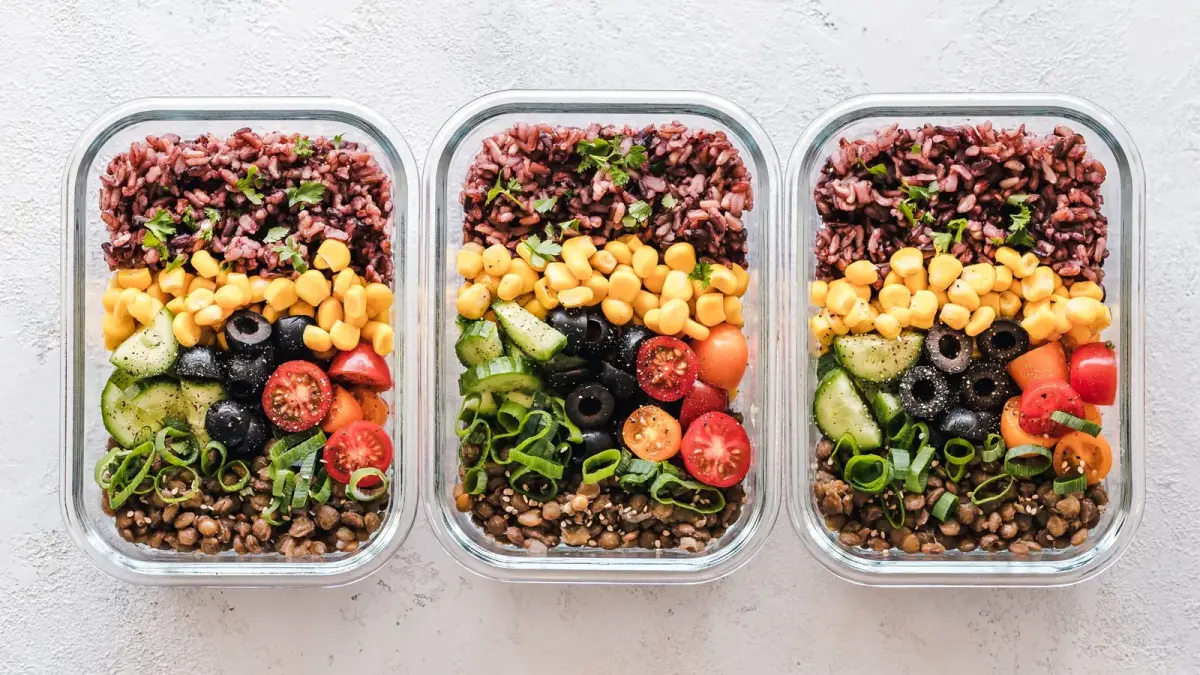
8. Store leftovers in glass jars or glass containers
Glass does not scratch the way plastic can and does not hold odors. Use jars for soup, cut fruit and overnight oats. Refrigerate leftovers promptly and use them within three to four days, per USDA guidance.
9. Use stainless steel water bottles
A steel bottle is a durable option that you can fill with hot or cold drinks.
10. Do not leave plastic water bottles in a hot car
Heat can break plastic down. Keep bottles in the shade or use a reusable steel bottle.
11. Wash hands before eating
This is a simple habit that is good for many reasons, especially for children who touch everything and then eat.
12. Do not stress about perfection
Plastic is everywhere. A reasonable plan is to reduce the biggest sources, especially heated plastic and old, worn containers.
| Code | Common name | Where you might see it | What health tips say |
|---|---|---|---|
| 1 | PET or PETE | Water and soda bottles | No specific warning in the sources we reviewed |
| 2 | HDPE | Milk jugs, juice bottles | No specific warning in the sources we reviewed |
| 3 | PVC | Some wraps and bottles | Tips suggest avoiding for food when you can |
| 4 | LDPE | Bags, squeeze bottles | No specific warning in the sources we reviewed |
| 5 | PP | Yogurt tubs, some reusable containers | No specific warning in the sources we reviewed |
| 6 | PS | Foam cups and takeout boxes | Tips suggest avoiding, especially with heat |
| 7 | Other | Mixed plastics, some polycarbonate | May contain BPA; look for “PC” or “BPA-free” |
What to take from the table: the number is a quick clue, not a guarantee. Treat it as a way to sort plastics, and use glass or steel for hot food.
Glass, Steel and Silicone: Honest Pros and Cons
| Material | Pros | Cons |
|---|---|---|
| Glass | Does not scratch like plastic, easy to clean, microwave-friendly when marked as safe | Heavy, can break |
| Stainless steel | Durable, good for hot and cold drinks | Not microwave-safe, can dent |
| Silicone | Flexible, reusable and lightweight | Costs more up front, can hold odors in some cases |
| Plastic (BPA-free) | Light, cheap, unbreakable | Wears with heat and washing, may scratch |
| Ceramic | Good for heating food | Can chip or crack |
What to take from the table: there is no perfect material. Choose the right one for the job, glass for leftovers and heating, steel for drinks on the go and plastic for dry snacks when needed.
You do not have to be perfect. Heating food in glass instead of plastic is a great place to start.
Helpful Picks for a Lower-Plastic Kitchen
These are examples. We did not test them for this article. The details come from their Amazon listings (checked October 4, 2026), and listings can change. We do not claim that any product removes all chemical exposure.
Pick 1 · Glass containers for leftovers and meal prep
Pyrex Simply Store Glass Food Storage Set (9 containers, 18 pieces)
May suit: Households that want to store and reheat leftovers in glass instead of plastic.
A good starter set for leftovers and meal prep. Why it works: glass containers can go from the fridge to the microwave without a transfer. Best for: families trying to use less plastic. Problem it solves: stained, smelly plastic tubs.
- Mixed sizes: includes a 7-cup round, a 6-cup rectangle and several smaller containers
- Tempered glass that the listing says resists stains and odors
- Listing says the plastic lids are BPA-free
- Listing says lids are freezer, microwave and top-rack dishwasher safe
- Set
- 9 containers with lids (18 pieces)
- Container material
- Tempered glass (per listing)
- Lids
- BPA-free plastic (per listing)
- Care
- Lids: freezer, microwave and top-rack dishwasher safe (per listing)
- Brand
- Pyrex
Strengths
- Glass does not stain or hold smells
- Many sizes in one set
- Nested storage saves cupboard space
Limitations
- Lids are still plastic, so replace them if they warp or crack
- Glass is heavier than plastic and can break if dropped
Affiliate link. As an Amazon Associate, we earn from qualifying purchases.
Pick 2 · Glass jars for storage, overnight oats and soup
Ball Wide Mouth 16 oz Glass Mason Jars with Lids and Bands (12 pack)
May suit: Families who like make-ahead breakfasts, overnight oats, yogurt parfaits and glass storage.
A simple way to make grab-and-go breakfasts. Why it works: a wide mouth and a tight lid make make-ahead jars easy. Best for: overnight oats, chia pudding and yogurt cups. Problem it solves: busy mornings with nothing ready.
- Wide-mouth glass jars, 16 ounces each
- Listing says food-grade glass and BPA free
- Lids and bands included
- Listing describes airtight, leakproof lids
- Count
- 12 jars with lids and bands
- Size
- 16 fl oz each
- Material
- Glass (per listing)
- Material features
- BPA free, food grade, heat resistant (per listing)
- Brand
- Ball
Strengths
- Wide mouth makes filling and cleaning easier
- Glass does not hold onto smells or stains
- Good size for a single serving of oats or yogurt
Limitations
- Glass is heavier and can break if dropped
- Check the brand's instructions before microwaving or freezing
Affiliate link. As an Amazon Associate, we earn from qualifying purchases.
Pick 3 · Reusable silicone bags to replace single-use plastic bags
Stasher Premium Reusable Silicone Food Storage Bags (4-pack)
May suit: Families who want a reusable swap for single-use zip bags in lunches and the fridge.
A handy swap for single-use bags. Why it works: the seal presses shut and the silicone washes clean, so one bag does the work of many. Best for: snacks, sandwiches and prepped veggies. Problem it solves: a drawer full of torn zip bags.
- Listing says platinum food-grade silicone with a leak-free Pinch-Loc seal
- Four bags: one half-gallon and several smaller sizes
- Reusable and washable by hand or in the dishwasher (per listing)
- Meant to replace single-use plastic bags (per listing)
- Count
- 4 bags (1 half gallon and smaller sizes)
- Material
- Silicone (per listing)
- Seal
- Pinch-Loc, leak-free (per listing)
- Care
- Dishwasher or warm soapy water (per listing)
- Brand
- Stasher
Strengths
- Reusable for months or years
- Seals well for snacks and sandwiches
- Washes easily
Limitations
- Costs more up front than zip bags
- Bags need to be turned right side out to wash, so follow the care steps on the listing
Affiliate link. As an Amazon Associate, we earn from qualifying purchases.
Pick 4 · An insulated stainless-steel bottle
Hydro Flask Standard Mouth Insulated Stainless Steel Water Bottle (21 oz)
May suit: Anyone who drinks more water when it is cold and easy to carry, from school kids to parents on the go.
A sturdy bottle to make water the easy choice. Why it works: cold, great-tasting water is easier to reach for than a sugary drink. Best for: school bags, car cupholders and desks. Problem it solves: relying on juice or soda when you are thirsty.
- Insulated stainless steel; listing says 24 hours cold and 12 hours hot
- Leakproof Flex Cap (per listing)
- Fits most cupholders (per listing)
- Dishwasher safe, with pro-grade stainless steel that listing says avoids flavor transfer
- Size
- 21 oz
- Material
- Stainless steel (per listing)
- Keeps drinks
- Cold for 24 hours, hot for 12 hours (per listing)
- Lid
- Leakproof Flex Cap (per listing)
- Care
- Dishwasher safe (per listing)
- Brand
- Hydro Flask
Strengths
- Cold water stays cold, which helps some people drink more
- Stainless steel is durable
- Fits cup holders
Limitations
- Costs more than a basic plastic bottle
- Insulated bottles are heavier than empty plastic ones
Affiliate link. As an Amazon Associate, we earn from qualifying purchases.
A Simple One-Weekend Plan
- Look around. Check your food containers for scratches, cloudiness or warped lids.
- Sort them. Keep what looks good, and set aside the worn ones to recycle or replace.
- Switch the microwave. Keep a few glass or ceramic dishes ready for reheating.
- Swap one bottle. Choose a steel or glass bottle for water.
- Stock one glass set. Buy a set of glass containers or reuse clean jars.
Why this works: the biggest exposure risk comes from heat and wear. These five steps address both, at low cost.
Plastics and Kids
Little ones put things in their mouths, so many parents pay extra attention to baby gear.
- Look for labels. Many baby and toddler products say “BPA-free” on the package.
- Replace chewed plastic. If a teether or toy is cracked or shredded, replace it.
- Use baby-safe materials. Silicone, wood, stainless steel and glass are common options. Make sure items are labeled for the right age.
- Heat bottles safely. Warm milk in a bowl of warm water rather than in the microwave. Test the temperature before feeding.
- Supervise. Always watch young children with small items, glass and anything that could break.
8 Common Plastic Mistakes (and Easy Fixes)
❌ Mistake 1: Microwaving food in plastic
✅ Fix: Move food to a glass or ceramic dish first.
❌ Mistake 2: Keeping old, scratched containers
✅ Fix: Replace them when they look worn.
❌ Mistake 3: Assuming “BPA-free” means perfect
✅ Fix: Use glass or steel for hot food regardless.
❌ Mistake 4: Putting plastic through the dishwasher repeatedly
✅ Fix: Handwash old plastic gently.
❌ Mistake 5: Leaving plastic bottles in a hot car
✅ Fix: Use a steel bottle or keep it out of the sun.
❌ Mistake 6: Changing formula because of BPA fears
✅ Fix: Talk to your pediatrician first.
❌ Mistake 7: Tossing everything at once
✅ Fix: Replace the biggest sources first, and do it gradually.
❌ Mistake 8: Forgetting about leftovers
✅ Fix: Refrigerate promptly and use within three to four days.
Why these fixes work: they target heat and wear, which are the two main situations where plastic is most likely to release chemicals.
Pro Tips for a Calmer Kitchen
- Keep one “microwave-safe glass” dish on hand. Best for: reheating without thinking.
- Rinse canned beans. Best for: cutting salt and keeping canned convenience.
- Use jars for drinks and snacks. Best for: a simple, low-cost swap.
- Label your containers. Best for: knowing which are glass and which are plastic.
- Buy fewer, better pieces. Best for: less clutter and less waste.
Real-Life Examples: Three Family Stories
These are illustrative examples based on common situations. They are not real customer reviews or quotes.
Example 1: The microwave habit
A mom reheats lunch in a plastic tub every day. She switches to a glass container with a lid. What worked: one container, one habit.
Example 2: The old baby bottles
A parent finds an old cloudy bottle at the back of a cupboard. She recycles it and uses newer bottles. What worked: checking and replacing worn gear.
Example 3: The water bottle
A dad replaces single-use plastic bottles with a steel bottle. What worked: a small change that is easy to repeat.
💡 The pattern
Heat and wear are the main concerns. Fix those two, and you have done most of the work.
Frequently Asked Questions
Is BPA dangerous?
The FDA says BPA is safe at the levels currently found in food. Other health groups suggest simple precautions, especially for babies. Experts continue to study it. Talk to your doctor if you have concerns.
Is it safe to microwave in plastic?
The AAP and NIEHS advise against microwaving plastic containers, because heat can make plastic break down. Use glass or ceramic instead.
Does “BPA-free” mean the plastic is safe to heat?
Not necessarily. It only means BPA was not used. Glass, ceramic or steel are better for hot food.
Should I stop using canned food?
You do not have to. If you want to reduce exposure, eat more fresh or frozen foods and look for cans labeled with BPA-free linings.
Can I use plastic for cold, dry foods?
Many families do. Use plastic that is in good condition and designed for food.
Should I change my baby’s formula because of BPA?
No. Please talk to your pediatrician before changing formula or feeding methods.
Your Lower-Plastic Checklist (and Final Thoughts)
- Do not microwave food in plastic.
- Use glass, ceramic or steel for hot food and drinks.
- Replace scratched, cloudy or warped plastic.
- Handwash old plastic gently.
- Choose fresh or frozen foods more often when practical.
- Store leftovers in glass and use them within three to four days.
- Ask your pediatrician before changing baby formula or bottles.
🛒 Want to see our glass and steel picks? Scroll up to the product boxes, or browse our essentials list.
Final thoughts
BPA is a topic where the official safety position and the careful-parent approach sit side by side. You can follow both: trust the science, and make the easy swaps that cost little.
Start with the microwave habit. Then replace what is worn. That is plenty. A calm, steady approach is better for your family than worry. 💚
Affiliate note: some links in this article are Amazon affiliate links. If you buy through them, we may earn a small commission at no extra cost to you. See our Affiliate Disclosure. Product details were checked on Amazon.com on October 4, 2026 and may change.
Sources and further reading
- U.S. FDA — Bisphenol A (BPA): Use in Food Contact Application
- U.S. FDA — Questions & Answers on Bisphenol A (BPA) Use in Food Contact Applications
- NIEHS (National Institutes of Health) — Bisphenol A (BPA)
- Environmental Health Perspectives — Food Packaging and Bisphenol A and Bis(2-Ethylhexyl) Phthalate Exposure: Findings from a Dietary Intervention
- HealthyChildren.org (American Academy of Pediatrics) — Baby Bottles and Bisphenol A (BPA)
- USDA Food Safety and Inspection Service — Leftovers and Food Safety
This article is general information, not medical advice. It does not replace guidance from your doctor, midwife, pediatrician or other qualified professional. Read our health information disclaimer.