New parents get a lot of advice about sleep. Some of it is about schedules and routines, but the most important part is about safety. This article summarizes what the CDC, the American Academy of Pediatrics (AAP) and the NHS say. It is general information; talk to your pediatrician or midwife about your own baby.
What the agencies agree on
- Back to sleep, every time. Place your baby on their back for all sleep, including naps and at night.
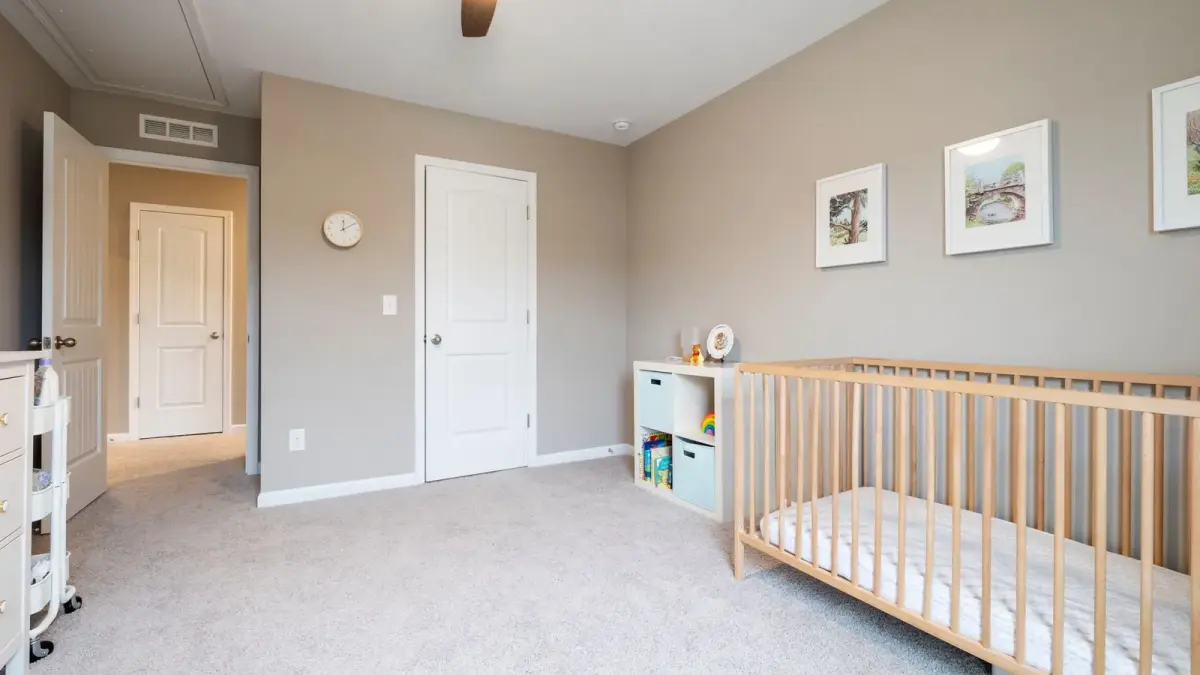
- A firm, flat sleep surface. Use a crib, bassinet or play yard that meets current safety standards, with a fitted sheet. Do not use inclined sleepers.
- Keep the sleep space bare. No pillows, blankets, bumper pads or soft toys.
- Share a room, not a bed. The CDC and AAP recommend keeping the baby’s sleep surface in your room, ideally for at least the first six months. The NHS also advises a separate cot or Moses basket in your room for the first six months.
- Avoid overheating. Do not cover the baby’s head, and watch for signs such as sweating. The NHS suggests a room temperature of about 16–20°C (61–68°F).
- Keep smoke away. Do not smoke during pregnancy, and do not allow smoking around your baby.
Other points the agencies mention
- Breastfeeding is associated with a lower SIDS risk, if it works for you.
- Offering a pacifier at nap and bedtime may reduce risk; if you breastfeed, wait until feeding is well established.
- If your baby falls asleep in a car seat, stroller or carrier, move them to a flat, firm surface as soon as it is safe to do so.
- Go to regular well-child visits and keep vaccinations up to date.
Where the advice differs
Guidance varies a little between countries and organizations. For example, the AAP advises against bed-sharing under any circumstances, while the NHS explains specific situations where the risk is higher (such as when anyone in the bed smokes, has been drinking or takes drowsy medication, or if the baby was premature or small) and warns against sleeping with a baby on a sofa or armchair. Check what your own health service recommends.
Schedules never override safe sleep
Routines and wake-window charts can be useful for planning your day, but they are rules of thumb, not medical standards, and every baby differs. Our Sleep Schedule Calculator turns commonly used ranges into a sample day. Use it for ideas, and always follow the safe sleep steps above.
Questions to ask your pediatrician
- Is our baby’s sleep set-up safe? Can you check the crib or bassinet we plan to use?
- How should we handle night feeds safely when we are very tired?
- What should we do if our baby has reflux or a stuffy nose that makes sleeping on the back uncomfortable?
Sources and further reading
This article is general information, not medical advice. It does not replace guidance from your doctor, midwife, pediatrician or other qualified professional. Read our health information disclaimer.