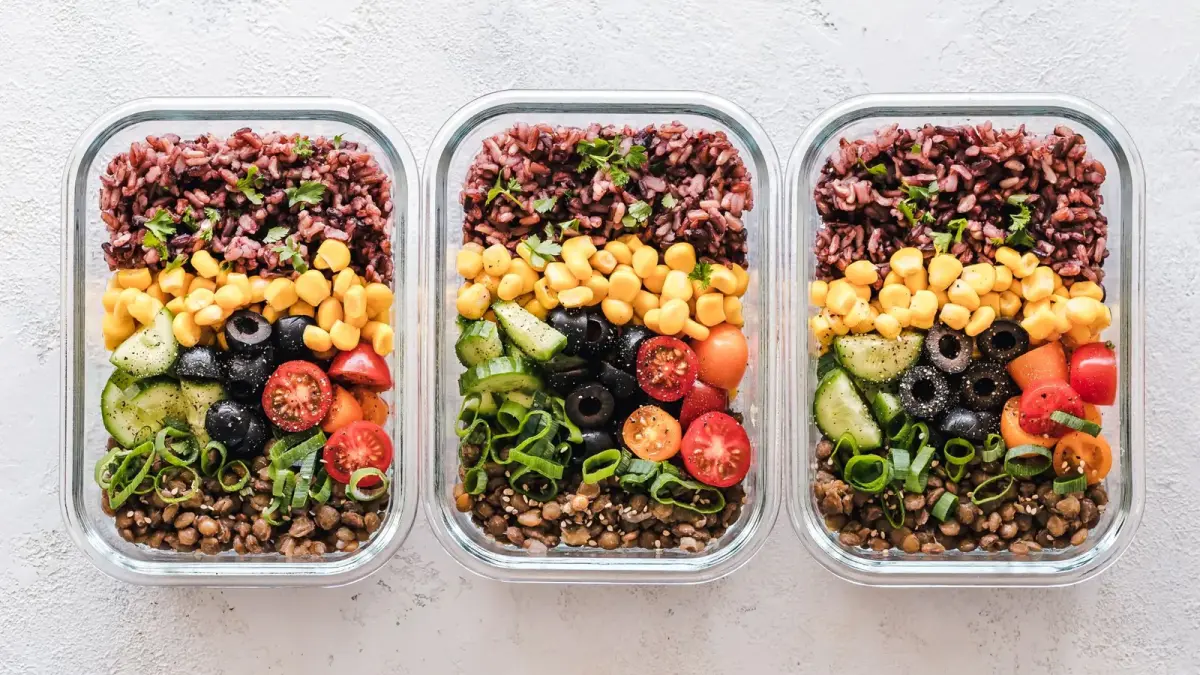
Ask any parent what they wish they had before the baby arrived and many will say: food. In the weeks after birth, cooking can feel impossible. You are tired, healing and busy feeding a tiny person every couple of hours. A freezer full of ready-to-heat meals can be one of the kindest gifts you give your future self.
⚡ The short answer
Start small. Cook double batches of meals you already like, cool and package them well, label them with the date and freeze at 0°F or below. The USDA says food kept constantly at 0°F stays safe, and that you can thaw safely in the refrigerator, in cold water or in the microwave. Freeze leftovers within three to four days, thaw in the fridge when you can and reheat food until it is steaming hot.
Below are a simple plan, freezer-friendly meals, packaging and labeling tips, safe thawing and reheating, a meal-train guide and a checklist.
This is general food safety and planning information, not medical or dietary advice. If you have a medical condition such as gestational diabetes, food allergies or dietary restrictions, ask your provider or a registered dietitian what to stock. Breastfeeding parents should ask their provider about nutrition needs. 🍲
Why Freezer Meals Help After Birth
Postpartum life is not the time for complicated dinners. Freezer meals help because they:
- Remove decisions. You do not have to figure out what is for dinner when you are exhausted.
- Save energy. A meal you only need to heat takes minutes.
- Make it easy for others to help. A partner, relative or friend can heat dinner without a recipe.
- Keep you nourished. Healing and feeding a baby take energy, and a ready meal means you are less likely to skip eating.
- Reduce takeout stress. A freezer stash can be a buffer on nights when no one has the energy to order.
The CDC’s page on diet and breastfeeding gives general guidance, and your provider can advise you on your own needs. In general, a varied, balanced diet is the goal.
💡 Start with five
You do not need a freezer full of 40 meals. Five to ten meals can make a real difference. Any number helps.
How Many Meals Do You Need?
There is no magic number. Think about your own situation.
| Situation | A realistic goal | Notes |
|---|---|---|
| Little help at home | 10 or more meals | Include easy breakfasts and snacks |
| A partner who cooks sometimes | 5 to 10 meals | Focus on dinners |
| Friends or family planning a meal train | 3 to 5 meals | Stock easy backups |
| Short on freezer space | 3 to 5 meals plus a few snacks | Use flat bags to save space |
What to take from the table: the right number is the number you can do without stress. Make a plan, and begin with the meals you already know you like.
A Simple Plan to Start
You can build your stash over a few weeks.
- Check your freezer. Clear space, make a list of what you have and check the temperature. The USDA says to use a freezer set at 0°F or below for long-term storage.
- Pick five recipes. Choose meals you know your family likes, that freeze well and that are easy to reheat.
- Double what you cook. When you make dinner, make twice as much, and freeze half.
- Pack for easy use. Freeze in meal-sized portions, flat bags or containers.
- Label and date. Write the dish, the date and the reheating instructions on each package.
- Keep a freezer list. Put a list on the fridge so anyone can find a meal.
Why this works: doubling a recipe takes only a little extra effort and quickly builds a stash. After a few weeks you will have a freezer full of choices.
Freezer-Friendly Meal Ideas
Not every food freezes well. These usually do. Texture can change a little, so test one before you make many.
| Category | Ideas | Reheating tip |
|---|---|---|
| Soups and stews | Vegetable soup, lentil soup, chili, chicken soup | Reheat on the stove until steaming hot |
| Casseroles and bakes | Lasagna, baked pasta, enchiladas, shepherd’s pie | Thaw in the fridge, then heat until hot in the center |
| Handheld meals | Burritos, quesadillas, stuffed pitas | Wrap individually; heat until hot in the center |
| Meat and protein | Meatballs, shredded chicken, taco meat | Reheat in sauce |
| Grains and sides | Cooked rice, quinoa, beans | Freeze flat in bags |
| Breakfasts | Pancakes, waffles, oatmeal cups, egg muffins | Toast or heat in the oven or microwave |
| Snacks | Muffins, energy bites, bars | Thaw on the counter or warm briefly |
What to take from the table: choose simple, forgiving foods. Soups, stews and baked dishes are the most reliable.
Foods that may not freeze as well include fried foods, salads and some cream-based sauces, which can separate. Cooked pasta can get soft, so slightly undercook it if you plan to freeze it in a casserole.
Cooling and Freezing Safely
The USDA gives clear food safety guidance for freezing.
- Cool food quickly. Hot food can go directly into the refrigerator or be chilled in an ice or cold water bath. Divide large batches into smaller containers so they cool faster.
- Freeze leftovers within three to four days. The USDA says to freeze leftovers within three to four days of cooking, or sooner.
- Use a freezer at 0°F or below. The USDA says food stored constantly at 0°F will always be safe, although quality may change over time.
- Wrap well. Air causes freezer burn. The USDA says freezer burn does not make food unsafe, just dry in spots, and you can cut away the affected parts.
- Leave room for expansion. Liquids expand when they freeze. Leave a little headspace in containers and jars.
- Freeze flat. Flat bags freeze and thaw faster and stack neatly.
📌 Food safety basics
Wash your hands and surfaces before and after handling food. Keep raw meat separate from cooked foods. Cook foods fully before freezing, or follow your recipe’s instructions for freezing raw ingredients. If you have any doubt about whether food is safe, throw it out.
Choosing Containers
Different containers suit different foods.
- Glass containers with lids. Good for casseroles, soups and leftovers. Check the maker’s instructions for freezer and oven use, and avoid sudden temperature changes that can crack glass.
- Glass jars. Useful for soups and sauces. Leave extra headspace so the glass does not crack as the liquid expands. Check the brand’s guidance before freezing.
- Reusable silicone bags. Great for flat freezing of soups, sauces and grains. Check the care instructions.
- Freezer-safe plastic containers or bags. Light and stackable. Check for a freezer-safe label.
- Foil pans. Handy for lasagna or gifts. Cover them tightly and put them in a bag to protect from freezer burn.
- Parchment or wrap between layers of items like pancakes or muffins so they do not stick.
Labeling That Anyone Can Follow
Clear labels make life easier, especially if someone else is reheating.
- Name of the dish. “Chicken tortilla soup.”
- Date frozen. The month and day are enough.
- Number of servings.
- Reheating instructions. “Thaw in fridge overnight. Heat on stove until steaming.”
- Allergens. The FDA lists the major food allergens. Note them if anyone in your home or a visiting helper has an allergy.
- Any extras to add. “Top with cheese,” “serve with rice.”
Use a marker and masking tape or freezer labels that stick. Put the label on the top and the side so it is easy to read.
Thawing and Reheating Safely
The USDA lists three safe ways to thaw food.
| Method | How it works | Notes |
|---|---|---|
| Refrigerator | Move the meal to the fridge ahead of time | Safest and easiest; plan ahead |
| Cold water | Place food in a leakproof bag and submerge in cold water; change the water every 30 minutes | Cook the food after thawing this way |
| Microwave | Use the defrost setting | Cook the food right away, because some parts may start to cook |
What to take from the table: the refrigerator is the best choice if you can plan ahead. Never thaw on the counter at room temperature.
The USDA also says that food thawed in the refrigerator can be refrozen without cooking, though quality may suffer. Food thawed in cold water or the microwave should be cooked before refreezing.
For reheating, the USDA’s leftovers guidance says to reheat leftovers to 165°F. A food thermometer is the best way to check. Stir soups and sauces while they heat, and make sure the center of casseroles is hot, not just the edges.
⚠️ Do not eat doubtful food
If a frozen meal has been thawed and left out for more than about two hours, has an off smell or looks unusual, throw it out. If you lose power, keep the freezer door closed and follow USDA guidance on what is safe.
Meal Trains and Asking for Help
Many friends and relatives want to help but do not know how. Make it easy.
- Share a simple list. Include allergies, dislikes and foods you would love.
- Ask for freezer-friendly meals. This way you are not forced to eat them all in one night.
- Share the labeling idea. “Please include the date and reheating instructions.”
- Suggest disposable containers so you do not have to return dishes.
- Set a delivery window. A cooler on the porch can work if you are resting.
- Say thank you and enjoy the food.
You can also use our meal planner and postpartum prioritizer to organize what you need.
Adapting for Special Needs
Freezer meals can be adjusted for different situations. Ask your provider or a registered dietitian for personal advice.
- Food allergies. Read every label, avoid cross-contact and label allergens on each package. The FDA lists the major food allergens.
- Gestational diabetes or other conditions. Ask your provider what to include and avoid, and keep portions in line with their advice.
- Vegetarian or vegan households. Lentil soups, bean chili, vegetable curries and baked pasta freeze well.
- Gluten-free households. Choose naturally gluten-free meals such as rice-and-bean dishes, and check the labels on sauces and broths.
- Small freezers. Freeze food flat in bags, and keep a list of what is inside.
- Budget-friendly options. Beans, lentils, rice, oats and frozen vegetables stretch a budget and freeze well.
Easy Snacks and One-Handed Foods
You will likely eat with one hand while feeding the baby. Stock foods that are easy to grab.
- Muffins and oatmeal cups from the freezer.
- Cut fruit and cheese in the fridge.
- Nuts and seeds if you have no allergies.
- Hard-boiled eggs.
- Yogurt cups.
- Whole-grain crackers and hummus.
- A bottle of water by the spot where you feed the baby.
A freezer full of simple meals is a gift from your past self to your future self.
Tools That Can Help
These are examples. We did not test them for this article. The details come from the Amazon listings (checked October 4, 2026), and listings can change. Check the maker’s freezer and oven instructions before using any container.
Pick 1 · Glass containers with lids for casseroles, soups and leftovers
Pyrex Simply Store Glass Food Storage Set (9 containers, 18 pieces)
May suit: Households that want to store and reheat leftovers in glass instead of plastic.
A good starter set for leftovers and meal prep. Why it works: glass containers can go from the fridge to the microwave without a transfer. Best for: families trying to use less plastic. Problem it solves: stained, smelly plastic tubs.
- Mixed sizes: includes a 7-cup round, a 6-cup rectangle and several smaller containers
- Tempered glass that the listing says resists stains and odors
- Listing says the plastic lids are BPA-free
- Listing says lids are freezer, microwave and top-rack dishwasher safe
- Set
- 9 containers with lids (18 pieces)
- Container material
- Tempered glass (per listing)
- Lids
- BPA-free plastic (per listing)
- Care
- Lids: freezer, microwave and top-rack dishwasher safe (per listing)
- Brand
- Pyrex
Strengths
- Glass does not stain or hold smells
- Many sizes in one set
- Nested storage saves cupboard space
Limitations
- Lids are still plastic, so replace them if they warp or crack
- Glass is heavier than plastic and can break if dropped
Affiliate link. As an Amazon Associate, we earn from qualifying purchases.
Pick 2 · Glass jars for soups, sauces and overnight oats
Ball Wide Mouth 16 oz Glass Mason Jars with Lids and Bands (12 pack)
May suit: Families who like make-ahead breakfasts, overnight oats, yogurt parfaits and glass storage.
A simple way to make grab-and-go breakfasts. Why it works: a wide mouth and a tight lid make make-ahead jars easy. Best for: overnight oats, chia pudding and yogurt cups. Problem it solves: busy mornings with nothing ready.
- Wide-mouth glass jars, 16 ounces each
- Listing says food-grade glass and BPA free
- Lids and bands included
- Listing describes airtight, leakproof lids
- Count
- 12 jars with lids and bands
- Size
- 16 fl oz each
- Material
- Glass (per listing)
- Material features
- BPA free, food grade, heat resistant (per listing)
- Brand
- Ball
Strengths
- Wide mouth makes filling and cleaning easier
- Glass does not hold onto smells or stains
- Good size for a single serving of oats or yogurt
Limitations
- Glass is heavier and can break if dropped
- Check the brand's instructions before microwaving or freezing
Affiliate link. As an Amazon Associate, we earn from qualifying purchases.
Pick 3 · Reusable silicone bags for flat freezing and snacks
Stasher Premium Reusable Silicone Food Storage Bags (4-pack)
May suit: Families who want a reusable swap for single-use zip bags in lunches and the fridge.
A handy swap for single-use bags. Why it works: the seal presses shut and the silicone washes clean, so one bag does the work of many. Best for: snacks, sandwiches and prepped veggies. Problem it solves: a drawer full of torn zip bags.
- Listing says platinum food-grade silicone with a leak-free Pinch-Loc seal
- Four bags: one half-gallon and several smaller sizes
- Reusable and washable by hand or in the dishwasher (per listing)
- Meant to replace single-use plastic bags (per listing)
- Count
- 4 bags (1 half gallon and smaller sizes)
- Material
- Silicone (per listing)
- Seal
- Pinch-Loc, leak-free (per listing)
- Care
- Dishwasher or warm soapy water (per listing)
- Brand
- Stasher
Strengths
- Reusable for months or years
- Seals well for snacks and sandwiches
- Washes easily
Limitations
- Costs more up front than zip bags
- Bags need to be turned right side out to wash, so follow the care steps on the listing
Affiliate link. As an Amazon Associate, we earn from qualifying purchases.
8 Common Freezer-Meal Mistakes (and Easy Fixes)
❌ Mistake 1: Trying to cook everything in one weekend
✅ Fix: Double meals over several weeks instead.
❌ Mistake 2: Freezing hot food in a deep container
✅ Fix: Divide into smaller portions and cool quickly first.
❌ Mistake 3: Not labeling
✅ Fix: Write the dish, date and reheating instructions.
❌ Mistake 4: Leaving no headspace
✅ Fix: Leave room in jars and containers for expansion.
❌ Mistake 5: Thawing on the counter
✅ Fix: Thaw in the fridge, in cold water or in the microwave.
❌ Mistake 6: Reheating unevenly
✅ Fix: Stir and check that the center is steaming hot.
❌ Mistake 7: Forgetting about allergies
✅ Fix: Note allergens on labels and share them with helpers.
❌ Mistake 8: Freezing food you do not like
✅ Fix: Choose meals your family truly enjoys.
Why these fixes work: they follow USDA safety guidance and make meals easy to use.
Pro Tips for a Smooth Stash
- Freeze in flat bags. They stack neatly and thaw quickly. Best for: small freezers.
- Make a freezer map. A list on the fridge. Best for: helpers.
- Rotate. Use older meals first. Best for: quality.
- Cook with a friend. A freezer-meal swap can fill your freezer faster. Best for: company and speed.
- Keep a backup plan. A few pantry staples and frozen vegetables. Best for: nights when the stash runs low.
Real-Life Examples: Three Stories
These are illustrative examples based on common situations. They are not real customer reviews or quotes.
Example 1: The doubled dinner
A mom doubles every soup she makes in her last two months of pregnancy and freezes half. What worked: a small habit that added up.
Example 2: The helpful label
A dad uses the labels to heat dinner while his partner feeds the baby. What worked: clear reheating instructions.
Example 3: The meal train
A family asks friends for freezer-friendly meals. What worked: food that lasted for weeks.
💡 The pattern
Double, cool, label and freeze. Then thaw safely and reheat until hot.
Frequently Asked Questions
How long can food stay in the freezer?
The USDA says food stored constantly at 0°F will always be safe, though quality may decline over time. Use older meals first.
What is the safest way to thaw a meal?
In the refrigerator. You can also thaw in cold water (changing the water every 30 minutes) or in the microwave, then cook immediately.
Can I refreeze thawed food?
The USDA says food thawed in the refrigerator can be refrozen without cooking, though quality may suffer. Food thawed in cold water or the microwave should be cooked first.
What temperature should I reheat to?
The USDA says to reheat leftovers to 165°F. Use a food thermometer when you can.
Is freezer-burned food safe?
The USDA says freezer burn makes food dry in spots but does not make it unsafe. You can cut away the affected areas.
What should I eat while healing and feeding my baby?
Ask your provider. The CDC provides general guidance for breastfeeding and diet, and your needs may differ.
Your Freezer-Meal Checklist (and Final Thoughts)
- Clear freezer space and check that it is at 0°F or below.
- Pick five meals your family likes and that freeze well.
- Double recipes and freeze half.
- Cool food quickly and divide into small portions.
- Label with the dish, date, servings and reheating instructions.
- Thaw in the fridge, cold water or microwave, never on the counter.
- Reheat leftovers to 165°F and check the center.
- Ask friends and family for freezer-friendly meals.
🛒 Planning your postpartum weeks? Try the meal planner.
Final thoughts
You do not need to be a meal-prep expert to do this. A few doubled dinners and a few labels can turn a chaotic week into a calmer one.
Be kind to yourself, start small and let the freezer do some of the work. 🍲
Affiliate note: some links in this article are Amazon affiliate links. If you buy through them, we may earn a small commission at no extra cost to you. See our Affiliate Disclosure. Product details were checked on Amazon.com on October 4, 2026 and may change.
Sources and further reading
This article is general information, not medical advice. It does not replace guidance from your doctor, midwife, pediatrician or other qualified professional. Read our health information disclaimer.