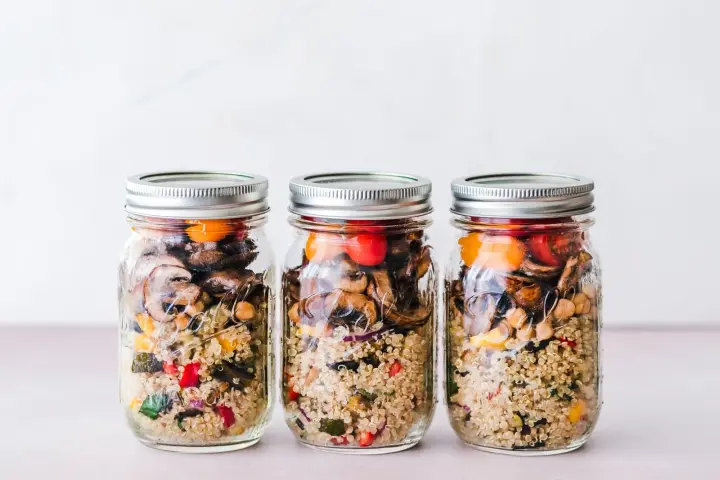
You see “carob” on a health-food shelf next to the cocoa, and the label promises a chocolate-like taste without the caffeine. It sounds almost too good to be true. Is carob a healthy swap for chocolate? What does it really taste like? And will your kids actually drink it? Let’s find out.
⚡ The short answer
Carob is a powder made from the pods of the carob tree. It is naturally sweet, high in fiber and free of caffeine and theobromine, which makes it an appealing cocoa alternative. But it tastes different from chocolate, and the research on health benefits is still limited.
You can often swap carob for cocoa in equal amounts, but many bakers get the best results by replacing only part of the cocoa.
This guide is for parents and home bakers curious about carob. You will learn what carob is, what USDA data and published research say about it, how it compares to cocoa, how to bake with it, and how to make a warm carob drink. We will also cover mistakes, tips and a checklist. 🌰
This is general information, not medical advice. Carob products vary, and some carob chips are sweetened or made with added fats. Always read the label, and ask your doctor or dietitian if you have health or allergy questions.
What Is Carob?
Carob comes from the pods of the carob tree. The pods are dried and roasted, and then ground into a powder that looks a lot like cocoa. The powder has a mild, earthy, sweet flavor with notes of caramel and chocolate.
Carob has been used as food and as a sweetener for a long time. In baking, it is sold as carob powder (also called carob flour) and as carob chips. The Amazon listing for one organic carob powder describes it as lightly roasted to enhance its sweet “chocolate” flavor, unsweetened, caffeine free and batch tested gluten free.
Carob is not chocolate, and it is not trying to be exactly the same. It is its own ingredient. People who like it often enjoy the gentle sweetness. People who expect it to taste like a candy bar are sometimes disappointed.
💡 Carob powder vs. carob chips
Carob powder is unsweetened, and it is the ingredient this guide focuses on. Carob chips are often made with added sweeteners, fats and milk powders, so check the label to see what is in them.
What the Research Says About Carob
Carob has been studied in food science and nutrition. Here is what a few published sources report.
- It is caffeine-free. A study on carob powder as a cocoa substitute reports that caffeine and theobromine in carob powders were below the detection limit of the method. Carob is therefore considered caffeine-free, unlike cocoa.
- It is naturally sweet. Researchers describe carob flour as naturally sweet, which is why it is used as a sweetener and a cocoa alternative.
- It works in baking. In research on baked goods, cakes with up to 75 percent of the cocoa replaced by carob flour showed no remarkable sensory differences, and for biscuits, a 30 percent replacement gave the most balanced result in texture, sweetness and flavor.
- It is high in fiber. USDA data lists carob flour at about 39.8 grams of fiber per 100 grams.
It is important to be careful about health claims. A review of carob’s nutritional, biochemical and clinical applications describes a wide range of potential uses, but evidence in people is still developing. Carob is a nutritious ingredient, not a medicine.
Carob by the Numbers: USDA Data
Here are the USDA FoodData Central values for carob flour, per 100 grams, compared with all-purpose wheat flour.
| What to compare | Carob flour | All-purpose flour (enriched) |
|---|---|---|
| Calories | About 222 | About 364 |
| Protein | 4.6 g | 10.3 g |
| Carbohydrate | 88.9 g | 76.3 g |
| Fiber | 39.8 g | 2.7 g |
| Fat | 0.7 g | 1.0 g |
| Caffeine | None detected in research | None |
What to take from the table: carob flour has fewer calories per 100 grams than wheat flour, mostly because so much of it is fiber. It is very low in fat. But remember that it is a flavoring and a partial flour swap, not something most recipes use by the cupful.
Carob is a gentle, naturally sweet cocoa alternative with plenty of fiber. It is a flavor choice, not a miracle food.
Carob vs. Cocoa: How Do They Compare?
Many people reach for carob because they want a chocolate-like taste without caffeine. Here is how the two compare.
| What to compare | Carob powder | Cocoa powder |
|---|---|---|
| Source | Pods of the carob tree | Beans of the cacao tree |
| Caffeine and theobromine | None detected in published testing | Contains both |
| Natural sweetness | Naturally sweet | Bitter unless sweetened |
| Flavor | Mild, earthy, caramel-like | Rich and chocolatey |
| Fiber | Very high | Moderate |
| Substitution | Often swapped in equal amounts | Standard in most recipes |
| Best for | Kids, caffeine-free baking, drinks | Rich chocolate desserts |
What to take from the table: carob is milder and sweeter, so it suits recipes where you want a gentle chocolate-style flavor. It will not give you the deep bitterness of dark chocolate.
How to Bake With Carob
Bob’s Red Mill notes that carob powder can be substituted in equal amounts in place of cocoa in a recipe. For melted chocolate, a common tip is that 1 square (1 ounce) of baking chocolate can be replaced by 3 tablespoons of carob powder mixed with 1 tablespoon of water or vegetable oil.
Research on baked goods suggests a gradual approach often works best.
- Start with part, not all. Replace a quarter to a half of the cocoa in a recipe with carob, and see how your family likes it.
- Reduce the sugar a little. Carob is naturally sweet, so you may be able to cut back on added sugar. Change one thing at a time.
- Add a splash more liquid if needed. Carob is high in fiber, and fiber absorbs liquid. If the batter looks thick, add a spoonful of milk.
- Add vanilla or cinnamon. These flavors round out the carob taste.
- Taste and adjust. Bake a small test batch, such as a few muffins, before a big cake.
Why this works: carob is not identical to cocoa, so mixing the two lets you ease into the flavor. Published research on cakes and biscuits supports the idea that partial replacement works well.
A Warm Carob “Cocoa” for Kids
Warm drinks are a great way to try carob. It is caffeine-free, so it works for an evening treat.
📌 Recipe note
This is a simple, classic stovetop method. We have not test-made this exact version. Whisk well, because carob powder clumps, and taste before adding any sweetener. Carob is naturally sweet, so you may not need any.
Warm Carob “Cocoa”
Ingredients
- 1 cup milk (dairy or non-dairy)
- 1 tablespoon carob powder
- 1/4 teaspoon vanilla extract
- A pinch of cinnamon (optional)
- Maple syrup, to taste, only if needed (skip for babies and toddlers)
Method
- In a small saucepan, whisk the carob powder with 2 tablespoons of the cold milk until smooth.
- Add the rest of the milk and heat gently over medium-low heat, whisking often, until steaming. Do not boil.
- Stir in the vanilla and cinnamon. Taste, and add a small drizzle of maple syrup only if needed.
- Let it cool until warm, not hot, before serving to children.
Ideas for Using Carob Every Day
Carob does not have to stay in the pantry. Here are easy ways to use it.
- In oatmeal. Stir a teaspoon into warm oats with sliced banana.
- In smoothies. Blend a teaspoon of carob powder with banana, milk and a spoonful of nut butter if there is no allergy.
- In pancakes. Replace a tablespoon of the flour with carob for a gentle chocolate flavor.
- In muffins. Replace part of the cocoa in a chocolate muffin recipe.
- In homemade energy bites. Mix oats, nut or seed butter, a little honey (children over 12 months) and carob.
- Dusted on fruit. A light dusting on strawberries or banana slices is a fun treat.
| If a recipe uses | Try this | What to know |
|---|---|---|
| Cocoa powder | Equal amount of carob, or replace half | Flavor will be milder and sweeter |
| Melted baking chocolate | About 3 tablespoons carob powder mixed with 1 tablespoon water or oil per ounce of chocolate | Texture is a little different |
| Chocolate chips | Carob chips, checked for added sugar | Often sweeter and softer than chocolate |
| Hot cocoa mix | Carob powder, milk and a little vanilla | Naturally sweet, so taste before sweetening |
Carob for Kids: What Parents Should Know
Carob is popular with parents because it contains no caffeine. Caffeine is not recommended for young children, and the CDC notes that no safe caffeine limit has been established for children younger than two. So a carob drink can be a good warm treat when you do not want caffeine in the evening.
A few other notes:
- Carob is still a sweet-tasting treat. Carob powder is unsweetened, but many carob products, like chips and bars, contain added sugar. The CDC says no amount of added sugars is recommended as part of a healthy diet, and young children should have none.
- Check labels for allergens. Some carob chips contain milk, soy or nuts. Read the label if there are food allergies.
- Try gently. Some kids love the taste. Others find it too earthy. Offer a small amount mixed with familiar flavors like banana.
- Never give honey to a baby under 12 months. If a recipe calls for honey, skip it for babies.
Storing and Buying Carob
Carob powder keeps best in a tightly closed container in a cool, dry place, away from heat and strong smells. If your powder smells musty or has damp clumps, do not use it. When buying, look for a short ingredient list that says only carob, and check whether it is roasted lightly or heavily, because roasting changes the flavor. A lighter roast tastes milder and sweeter, and a darker roast tastes more like cocoa.
Helpful Carob Picks
These products are examples, and we did not bake with them for this guide. The details come from their Amazon listings (checked October 4, 2026), and listings can change.
Pick 1 · An organic, unsweetened carob powder
Anthony's Organic Carob Powder (1 lb)
May suit: Bakers who want a caffeine-free, naturally sweet alternative to cocoa for kids' treats, smoothies and baking.
A gentle cocoa alternative. Why it works: roasted carob has a mild, naturally sweet, chocolate-like taste without caffeine. Best for: kids’ baking, smoothies and hot “cocoa.” Problem it solves: wanting a chocolate-style flavor without caffeine.
- Listing says USDA Certified Organic
- Listing says batch tested and verified gluten free
- Lightly roasted for a sweet, chocolate-like flavor, per the listing
- Listing calls it caffeine free and unsweetened
- Size
- 1 lb pouch
- Labels on listing
- USDA Organic, gluten free, caffeine free
- Flavor
- Lightly roasted, sweet and chocolate-like (per listing)
- Sweetener
- Unsweetened (per listing)
- Uses
- Baking, smoothies, milkshakes, hot drinks
- Brand
- Anthony's
Strengths
- Caffeine free, per the listing
- Naturally sweet taste means less sugar may be needed
- Works as a cocoa stand-in in many recipes
Limitations
- Tastes different from chocolate, so manage expectations
- It does not melt or behave like chocolate chips
Buy from Amazon : Anthony's Organic Carob Powder (1 lb) (opens Amazon in a new tab)
Affiliate link. As an Amazon Associate, we earn from qualifying purchases.
Helpful tool · Measure carob by weight
OXO Good Grips 11 lb Stainless Steel Food Scale with Pull-Out Display
May suit: Bakers who swap carob for cocoa and want accurate amounts.
Carob powder is light and fluffy. A scale helps you replace a recipe’s cocoa by weight. Why it works: weighing avoids overpacking a cup. Best for: partial swaps in cakes and cookies. Problem it solves: guessing when you adjust a recipe.
- Zero (tare) button lets you add ingredient after ingredient in the same bowl
- Pull-out display stays readable under a large mixing bowl
- Removable platform makes cleaning easier
- Stainless steel finish resists smudges and fingerprints
- Capacity
- 11 pounds
- Readout accuracy
- ± 0.1 oz or ± 1 g (per listing)
- Measures in
- lb, kg, oz and g (per listing)
- Display
- Digital, backlit, pull-out
- Weighing type
- Counter scale
Strengths
- Tare makes multi-ingredient recipes simple
- Pull-out display is not blocked by big bowls
- Works in grams and ounces
Limitations
- Reads in 1 g steps, so use measuring spoons for tiny amounts like baking soda
Affiliate link. As an Amazon Associate, we earn from qualifying purchases.
Pick 3 · A good pan for carob muffins
USA Pan Bakeware Muffin Pan, 12-Well, Aluminized Steel
May suit: Home bakers who make muffins, cupcakes and egg cups every week and want a sturdy, easy-release pan.
A dependable muffin pan for weekly baking. Why it works: a nonstick coating and sturdy metal help muffins release cleanly and bake evenly. Best for: muffins, cupcakes and egg bites. Problem it solves: muffins that stick or bake unevenly.
- 12 wells in one pan
- Listing says a nonstick Americoat silicone coating that is PTFE, PFOA and BPA free
- Made in the USA, per the listing
- Each cup measures 2.75 x 2.13 x 1.38 inches, per the listing
- Wells
- 12
- Material
- Aluminized steel (per listing)
- Coating
- Americoat nonstick, PTFE, PFOA and BPA free (per listing)
- Cup size
- 2.75 x 2.13 x 1.38 inches (per listing)
- Made in
- USA (per listing)
- Care
- Hand wash recommended (per listing)
Strengths
- Even-sized cups for evenly baked muffins
- Quick release and easy cleanup, per the listing
- Sturdy steel construction
Limitations
- Hand washing is recommended, so it is not a dishwasher pan
- Standard-size cups, so mini muffins need a different pan
Buy from Amazon : USA Pan Bakeware Muffin Pan, 12-Well, Aluminized Steel (opens Amazon in a new tab)
Affiliate link. As an Amazon Associate, we earn from qualifying purchases.
7 Common Carob Mistakes (and Easy Fixes)
❌ Mistake 1: Expecting it to taste like chocolate
✅ Fix: Think of it as its own flavor: mild, sweet and earthy.
❌ Mistake 2: Replacing all the cocoa at once
✅ Fix: Replace a quarter to a half first.
❌ Mistake 3: Adding the same sugar as in a chocolate recipe
✅ Fix: Carob is naturally sweet. Cut the sugar a little.
❌ Mistake 4: Buying carob chips and thinking they are sugar-free
✅ Fix: Read the label. Chips often have added sugar and fat.
❌ Mistake 5: Letting the powder clump
✅ Fix: Whisk it with a little cold liquid first, or sift it.
❌ Mistake 6: Using too much
✅ Fix: Fiber-rich carob can dry out a batter. Add a splash of milk if it looks thick.
❌ Mistake 7: Giving honey-sweetened carob treats to babies
✅ Fix: Never give honey to children under 12 months.
Why these fixes work: carob behaves a little differently from cocoa. Easing in, tasting and adjusting give you good results.
Pro Tips for Carob
- Roast it lightly in a dry pan. A few minutes can deepen the flavor, but watch carefully. Best for: a richer taste.
- Pair it with banana. The natural sweetness works well with carob. Best for: smoothies and muffins.
- Mix with a little cocoa. A half-and-half blend gives chocolate flavor with less caffeine than all cocoa. Best for: picky eaters who want a chocolate taste.
- Store it airtight. Keep it in a cool, dry place. Best for: long storage.
- Take notes. Write down your ratios. Best for: recipes you want to repeat.
Start small, taste often and let your family decide what they like.
Real-Life Examples: Three Carob Stories
These are illustrative examples based on common situations. They are not real customer reviews or quotes.
Example 1: The bedtime “cocoa”
A mom wants a warm drink for her kids that does not contain caffeine. She makes a mug of warm carob milk with vanilla. What worked: a warm, mild treat without caffeine.
Example 2: The disappointed baker
A dad swaps all the cocoa in his brownie recipe for carob and finds the brownies too mild. The fix: next time he uses half carob and half cocoa.
Example 3: The chip surprise
A grandmother buys carob chips and later notices sugar and fat high on the ingredient list. What she learned: carob powder and carob chips are different products.
💡 The pattern
Carob works best as a gentle partial swap, not an exact copy of chocolate. Read the label, start small and enjoy it for what it is.
Frequently Asked Questions
Is carob healthier than chocolate?
Carob is caffeine-free, very high in fiber and naturally sweet. It is not a miracle food, and carob chips can be as sweet as candy. Check labels.
Does carob have caffeine?
Published testing found caffeine and theobromine in carob powders below the detection limit, so carob is considered caffeine-free.
Can I replace cocoa with carob one for one?
Bob’s Red Mill notes that carob can be used in equal amounts. Research suggests partial replacement, such as up to 75 percent in cakes and about 30 percent in biscuits, works well.
Is carob safe for kids?
Carob is a food and is usually well tolerated. Check labels for allergens and added sugars, and ask your pediatrician about foods for babies.
What does carob taste like?
It is mild, naturally sweet and earthy, with caramel-like notes. Many people say it is chocolate-like, but it is not the same as chocolate.
Is carob gluten free?
Carob itself is naturally gluten free, but some products may be exposed to gluten in processing. Look for a gluten-free label if you must avoid gluten strictly.
Your Carob Checklist (and Final Thoughts)
- Choose unsweetened carob powder for baking.
- Start by replacing a quarter to half of the cocoa.
- Reduce the sugar a little, since carob is naturally sweet.
- Whisk the powder with cold liquid to avoid clumps.
- Read the label on carob chips.
- Skip honey for babies under 12 months.
- Taste, adjust and take notes.
- Ask your doctor if you have health or allergy questions.
🛒 Curious about carob? See a carob pick and a few helpers below.
Final thoughts
Carob is a gentle, naturally sweet, caffeine-free alternative to cocoa. It is not chocolate, and it is not a cure-all. But for kids’ drinks, muffins and smoothies, it can be a friendly, fiber-rich ingredient.
Start with a small swap, taste, adjust, and see what your family thinks. 💚
Affiliate note: some links in this article are Amazon affiliate links. If you buy through them, we may earn a small commission at no extra cost to you. See our Affiliate Disclosure. Product details were checked on Amazon.com on October 4, 2026 and may change.
Sources and further reading
This article is general information, not medical advice. It does not replace guidance from your doctor, midwife, pediatrician or other qualified professional. Read our health information disclaimer.