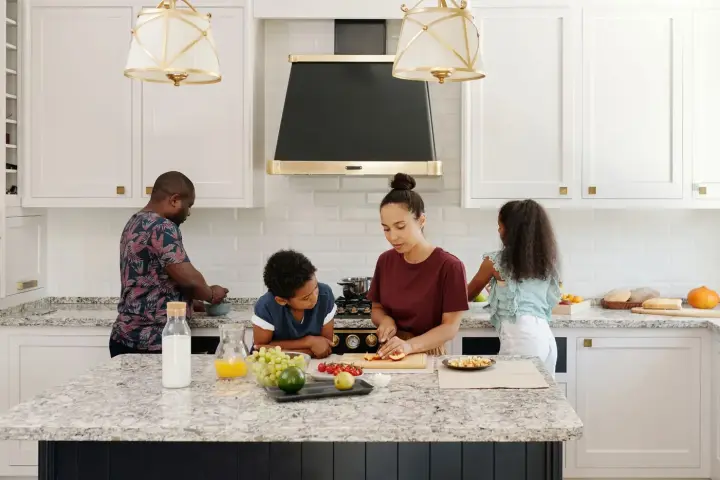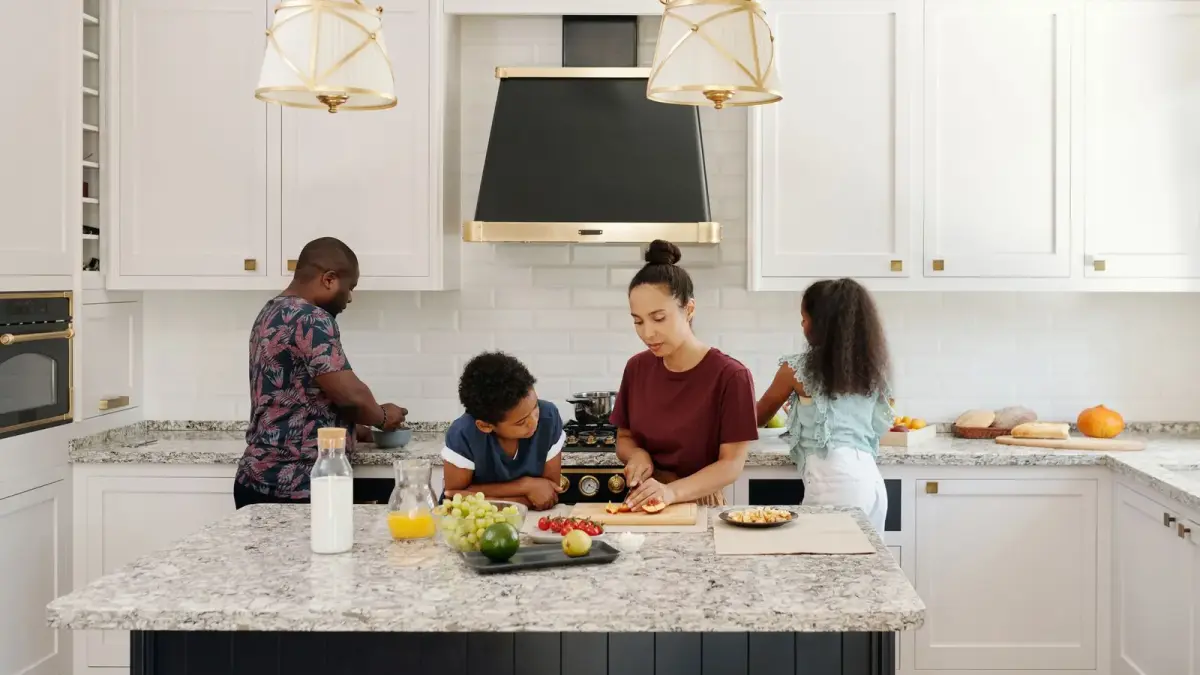
A food makeover is a small swap that makes a meal a bit more nourishing without making it a different meal. Same pancakes, same pasta night, same lunchbox. Just a little less sugar, a little more fiber, a little more color.
⚡ The short answer
You do not need to rebuild your menu. Pick the foods your family already eats and nudge them in a healthier direction: swap refined grains for whole grains, cut added sugar, add a vegetable and choose plain versions you can season yourself.
Below you will find 33 swaps grouped by meal, plus a table, a starter plan, common mistakes and a checklist.
This guide shares general food ideas, not medical advice. If someone in your family has a food allergy, a medical condition or special dietary needs, check swaps with your doctor or a registered dietitian. Most of the baking swaps in this article are common home-baker tricks that we have not test-baked ourselves, so treat them as ideas and test in small batches. 🥦
What Is a Healthy Food Makeover?
A makeover changes one thing at a time. You keep the part your family loves, such as the crunch, the cheese or the sauce, and improve a single ingredient.
Think of three simple levers:
- Whole grains in place of refined grains. Harvard’s Nutrition Source explains that whole grains keep the bran and germ, which refined grains remove.
- Less added sugar. The CDC says no amount of added sugars is recommended as part of a healthy diet. Harvard’s analysis of the 2025–2030 Dietary Guidelines says they limit added sugars to no more than 10 grams in a meal.
- More produce. Add a handful of veggies or fruit to a meal that has none.
💡 The 80 percent rule
If the swap tastes about 80 percent as good to your family as the original, keep it. Kids notice big changes, but they often do not notice small ones.
How to Use This List
You do not need to do all 33. Pick three that look easy. Try each one for two weeks, then add more. If a swap flops, shrug and try another. Not every family likes the same things.
Two safety notes. First, never give honey to babies under 12 months. Second, check every swap for allergens if someone in your home has a food allergy. The FDA’s food allergy page lists the major allergens.
Breakfast Makeovers (1 to 6)
- 1. Sugary cereal → a plain whole-grain cereal with fruit. Read the Added Sugars line on the label, and compare brands. Top plain cereal with berries or banana for sweetness.
- 2. Instant oatmeal packets → plain rolled oats. Cook a pot of oats and stir in cinnamon and chopped fruit. You control the sweetness.
- 3. Flavored yogurt → plain yogurt with fruit. Many flavored yogurts have a lot of added sugar. Plain yogurt plus mashed berries is simple.
- 4. White toast → whole-grain toast. Look for “whole wheat” or “whole grain” as the first ingredient.
- 5. Pancakes with syrup → whole-grain pancakes with fruit. Use half whole-wheat flour in your pancake mix and top with sliced banana or berries. Keep the syrup to a small drizzle.
- 6. Pastry on the go → a baked oatmeal cup or homemade muffin. Bake on the weekend and freeze. Check that the recipe uses whole grains and not too much sugar.
Lunch Makeovers (7 to 12)
- 7. White-bread sandwich → whole-wheat bread or a wrap. Add lettuce, cucumber or shredded carrots.
- 8. Chips → popcorn or whole-grain crackers. Plain popcorn is a whole grain, but it is a choking hazard for young children, so skip it for kids under four.
- 9. Lunchmeat-only sandwiches → add a veggie layer. Spinach, tomato, avocado or cucumber slices add color and fiber.
- 10. Fruit snacks → real fruit. Grapes cut in quarters for little kids, apple slices, clementines or berries.
- 11. Juice boxes → water. Pack a water bottle. A splash of lemon or a few berries adds flavor.
- 12. Packaged lunch kits → a homemade lunch box. A bento-style box with cheese cubes, crackers, fruit and a few veggie sticks is easy to assemble.
Dinner Makeovers (13 to 20)
- 13. White pasta → half whole-wheat pasta. Mix half and half if your kids resist the full switch. Stir in frozen peas or spinach.
- 14. Jarred sauce → read the label. Some jarred pasta sauces have added sugar. Compare labels and choose one with less. You can also add your own grated carrot to a plain tomato sauce.
- 15. White rice → brown rice or quinoa. Try mixing half and half at first.
- 16. Fried chicken → baked chicken with a crunchy coating. Coat chicken in whole-wheat breadcrumbs or crushed whole-grain cereal and bake on a sheet pan.
- 17. Creamy sauces → lighter versions. Use plain yogurt in place of some sour cream or mayonnaise in dips and dressings. Add it at the end so it does not curdle.
- 18. Meat-heavy tacos → half beans. Mix black beans with ground meat. It stretches the budget and adds fiber.
- 19. Plain mashed potatoes → mashed potatoes with cauliflower. Blend cooked cauliflower into the potatoes. Many families do not notice.
- 20. Frozen pizza → homemade pizza on whole-wheat crust with veggies. Let the kids add toppings. Make extra and freeze.
Snack Makeovers (21 to 26)
- 21. Cookies → fruit with a dip. Apple slices with sunflower seed butter, or banana slices with plain yogurt.
- 22. Cheese puffs → cheese cubes and whole-grain crackers. You get a similar crunch and a little more substance.
- 23. Granola bars → homemade oat bars. Many store-bought bars are like candy bars. Homemade versions let you choose the amount of sweetener.
- 24. Ice cream → frozen banana “ice cream.” Blend frozen banana slices until creamy. Add cocoa or berries.
- 25. Candy → dried or fresh fruit. If you serve dried fruit, remember it is sticky and concentrated, so serve small amounts and brush teeth after.
- 26. Dip and chips → hummus and veggies. Cut peppers, carrots and cucumber into sticks, and serve them with a scoop of hummus.
Drink Makeovers (27 to 29)
- 27. Soda → sparkling water with fruit. Add a squeeze of lime or a few raspberries.
- 28. Sweet tea → lightly sweetened or unsweetened tea. Reduce the sugar slowly until it tastes normal.
- 29. Flavored milk → plain milk. If your child likes chocolate milk, try half plain and half flavored, then taper.
Baking Makeovers (30 to 33)
- 30. Oil or butter → part unsweetened applesauce. Many home bakers replace some of the fat in muffins and quick breads with unsweetened applesauce. The texture can get denser, so start with a small amount and test. Choose a jar that says “unsweetened.”
- 31. White flour → half whole-wheat flour. Swap half the flour in muffins and pancakes to start. If the baked goods get heavy, use a lighter whole-wheat flour.
- 32. Lots of sugar → a bit less sugar. King Arthur Baking’s guide to sugars explains how sugar affects texture and browning, so reduce slowly, by about one fourth to start, and see how it turns out.
- 33. Chocolate frosting → fruit or a thin glaze. A dusting of cinnamon or a spoonful of fruit on top can be enough for a snack-time muffin.
| Meal | Easy swap | Effort |
|---|---|---|
| Breakfast | Plain oats and fruit instead of sweet packets | Low |
| Lunch | Water instead of juice boxes | Very low |
| Dinner | Half whole-wheat pasta with veggies | Low |
| Snack | Fruit with a dip instead of cookies | Low |
| Drink | Sparkling water with fruit instead of soda | Very low |
| Baking | Half whole-wheat flour in muffins | Medium |
What to take from the table: the easiest swaps are the ones that take no extra cooking. Start there.
Change one thing, keep the rest. That is how a makeover sticks.
Hidden Sugar Names to Look For
Many makeovers are about spotting sugar in places you did not expect. On an ingredient list, added sugar can appear under many names. The American Heart Association and the FDA both explain how to spot added sugars on labels.
| Type | Examples you may see |
|---|---|
| Syrups | Corn syrup, high-fructose corn syrup, maple syrup, rice syrup, agave nectar, malt syrup |
| Sugars ending in “-ose” | Sucrose, glucose, dextrose, fructose, maltose |
| Natural-sounding sweeteners | Honey, molasses, cane juice, fruit juice concentrate, evaporated cane juice |
| Other forms | Brown sugar, raw sugar, turbinado, coconut sugar, date sugar |
What to take from the table: a food can list several different sweeteners and still call itself natural. Look at the Added Sugars line on the Nutrition Facts label to see the total.
📌 How to compare
Look at two similar products side by side, such as two pasta sauces or two yogurts. Choose the one with less added sugar per serving. That one habit can change a whole grocery cart.
Lunch Box Makeovers: Before and After
School lunches are one of the easiest places to try makeovers, because you pack them yourself.
| Before | After | Easy tip |
|---|---|---|
| White-bread sandwich, chips, fruit snacks | Whole-wheat sandwich, plain popcorn (for kids over four) or crackers, fresh fruit | Use a bento-style box |
| Cheese crackers and a juice box | Whole-grain crackers with cheese cubes and water | Cut cheese into small cubes |
| Packaged lunch kit | Homemade mini “lunchable” with crackers, cheese and veggies | Prep on Sunday |
| Cookie dessert | Fruit with a small dip | Use a reusable bag or small container |
| Sweet yogurt tube | Plain yogurt with a spoonful of fruit | Pack in a small insulated container |
What to take from the table: the “after” lunches use whole foods and require little extra time. Packing a lunch the night before makes mornings calmer.
Keep lunchbox food safe. Use an ice pack for perishable foods such as yogurt, cheese and meat, and wash containers every day. If a child has an allergy, follow your school’s rules.
A Starter Shopping List for Makeovers
You do not need a special store. Most of these items are at any grocery store.
- Whole grains: rolled oats, whole-wheat bread, whole-wheat pasta, brown rice, quinoa.
- Proteins: eggs, plain yogurt, beans, lentils, canned fish, chicken.
- Produce: bananas, apples, berries (fresh or frozen), carrots, peppers, spinach.
- Pantry basics: unsweetened applesauce, cinnamon, olive oil, canned tomatoes with no added sugar.
- Snacks: whole-grain crackers, hummus, plain popcorn (for older kids), cheese.
- Drinks: sparkling water, lemons, limes and a good water bottle.
Tools That Help With Makeovers
These are examples that could make a few of the swaps easier. We did not test them for this article. The details come from the Amazon listings (checked October 4, 2026), and listings can change.
Pick 1 · Unsweetened applesauce for baking swaps
Mott's Unsweetened Applesauce (2 jars, 46 oz each)
May suit: Families who want a no-sugar-added fruit snack or a swap for some of the sugar and oil in muffins and quick breads.
An easy pantry helper. Why it works: apples bring natural sweetness and moisture, so you can often use less sugar. Best for: muffins, quick breads, oatmeal and snack time. Problem it solves: the sugary fruit cups and pouches that list sugar on the label.
- Listing says two ingredients: apples and ascorbic acid (vitamin C)
- No sugar added, unsweetened
- Listing says it is made from real fruit and is non-GMO
- Two large 46-ounce jars
- Size
- 2 jars, 46 oz each
- Ingredients
- Apples and ascorbic acid (per listing)
- Sweetener
- None added (unsweetened)
- Form
- Sauce
- Brand
- Mott's
Strengths
- Short ingredient list
- Easy swap for part of the sugar or oil in many quick breads
- Good as a snack on its own
Limitations
- Jars are large, so plan to use them within the time on the label after opening
- Fruit still has natural sugars, though they are not counted as added sugars
Buy from Amazon : Mott's Unsweetened Applesauce (2 jars, 46 oz each) (opens Amazon in a new tab)
Affiliate link. As an Amazon Associate, we earn from qualifying purchases.
Pick 2 · Whole-wheat flour for half-and-half baking swaps
Bob's Red Mill Organic Whole Wheat Flour (5 lb)
May suit: Bakers who want a classic, stone-ground whole wheat flour for bread, muffins and heartier bakes.
A traditional whole wheat flour. Why it works: stone-ground whole grain keeps the flavor of the wheat. Best for: bread, hearty muffins and cookies. Problem it solves: wanting a true whole-grain flavor and texture.
- Stone ground from hard red spring wheat on slow-moving millstones, per the listing
- Listing gives a protein content of 13 to 15 percent
- Listing suggests bread dough, muffins, quick breads, cookies, bars and pasta
- Kosher certified, per the listing
- Size
- 5 lb
- Grain
- Hard red spring wheat (per listing)
- Milling
- Stone ground (per listing)
- Protein
- 13 to 15 percent (per listing)
- Contains
- Wheat (not gluten free)
- Brand
- Bob's Red Mill
Strengths
- Full whole-grain flavor
- High protein makes it a good fit for bread
- Versatile for many baked goods
Limitations
- Contains gluten and wheat
- Stronger, nuttier flavor than white whole wheat
Buy from Amazon : Bob's Red Mill Organic Whole Wheat Flour (5 lb) (opens Amazon in a new tab)
Affiliate link. As an Amazon Associate, we earn from qualifying purchases.
Pick 3 · A sheet pan for baked chicken, veggies and pizza
Nordic Ware Naturals Aluminum Half Sheet Baking Pan (2-pack listing)
May suit: Bakers who make cookies, scones, biscotti, roasted vegetables and sheet-pan dinners.
A true workhorse pan. Why it works: pure aluminum spreads heat evenly, so cookies and scones brown more uniformly. Best for: cookies, scones, biscotti and roasted vegetables. Problem it solves: thin pans that warp and burn bottoms.
- Made of pure aluminum for even heat, per the listing
- Encapsulated galvanized steel rims resist warping, per the listing
- Exterior 17.9 x 12.9 x 1 inches; interior 17.1 x 12.1 x 1 inches
- Listing says USA made and will never rust
- Pack
- Listing shows a 2-pack of half sheet pans
- Material
- Pure aluminum with galvanized steel rims (per listing)
- Exterior size
- 17.9 x 12.9 x 1 inches (per listing)
- Interior size
- 17.1 x 12.1 x 1 inches (per listing)
- Weight
- 1.7 pounds (per listing)
- Brand
- Nordic Ware
Strengths
- Even browning for cookies and scones
- Rims help the pan resist warping
- Doubles as a roasting pan
Limitations
- Aluminum can stain and darken with use, which is normal
- Listing shows a 2-pack, which is more than some bakers need
Affiliate link. As an Amazon Associate, we earn from qualifying purchases.
A Simple Three-Week Makeover Plan
- Week 1: change a drink. Swap one sugary drink a day for water or sparkling water.
- Week 2: change a breakfast. Replace sweet cereal or packets with plain oats or whole-grain cereal and fruit.
- Week 3: change a dinner. Switch to half whole-wheat pasta, or add vegetables to a favorite dish.
- Week 4: pick again. Choose one new swap from the list and keep the old ones going.
Why this works: one change at a time is easy to keep. After a month, you will have four new habits without a big overhaul.
How to Tell if a Swap Is Worth Keeping
Not every swap is a winner. Use these questions:
- Does your family eat it? A “healthy” food that ends up in the trash is not a win.
- Is it easy to repeat? If it takes an hour, you will stop.
- Does it reduce added sugar or add fiber? Those two changes are often the most helpful.
- Does it fit your budget? Many of the best swaps, such as beans, oats and frozen vegetables, cost little.
- Is it safe for your child’s age? If you are unsure about choking hazards or allergens, ask your pediatrician.
⚠️ Not a weight-loss plan
These swaps are about nourishing food, not dieting. Please avoid talking about weight or “bad foods” with children. If you have concerns about a child’s growth or eating, talk with your pediatrician.
8 Common Makeover Mistakes (and Easy Fixes)
❌ Mistake 1: Changing everything at once
✅ Fix: Start with two or three swaps and add more later.
❌ Mistake 2: Swapping all the flour in one go
✅ Fix: Replace half at first, then adjust.
❌ Mistake 3: Trusting “healthy” on the front of the package
✅ Fix: Read the ingredients and the Added Sugars line.
❌ Mistake 4: Swapping sugar for another sweetener without thinking
✅ Fix: Honey, maple syrup and agave are still added sugars, so use them sparingly.
❌ Mistake 5: Skipping the allergy check
✅ Fix: Read every label, especially for nut, wheat, soy and dairy swaps.
❌ Mistake 6: Serving dried fruit in large amounts
✅ Fix: Serve small portions and offer water.
❌ Mistake 7: Forgetting food safety
✅ Fix: Refrigerate leftovers quickly and use them within three to four days.
❌ Mistake 8: Expecting instant love
✅ Fix: Offer a new swap several times without pressure.
Why these fixes work: they keep the changes small, safe and sustainable.
Pro Tips for Successful Makeovers
- Change the recipe, not the name. Call it “pasta night,” not “healthy pasta.” Best for: picky kids.
- Mix old and new. Half regular, half whole grain. Best for: a smooth transition.
- Make it fun. Let kids pick a vegetable or build their own plate. Best for: getting buy-in.
- Keep a swap list on the fridge. Best for: when you run out of ideas.
- Test baking swaps in a small batch. Best for: avoiding a pan of heavy muffins.
Real-Life Examples: Three Makeover Stories
These are illustrative examples based on common situations. They are not real customer reviews or quotes.
Example 1: The sticky-sweet breakfast
A mom replaces a sugary cereal with half plain cereal and half sweet cereal, topped with berries. After a few weeks, she cuts the sweet cereal further. What worked: a gradual shift.
Example 2: The pasta night
A dad mixes whole-wheat pasta half and half with regular. His kids do not complain. What worked: a half step.
Example 3: The muffin experiment
A parent replaces half the flour with whole-wheat flour and tests a small batch first. They find that a little extra milk keeps the muffins moist. What worked: trying a small test batch.
💡 The pattern
Start small, change one thing, repeat. That is how habits stick.
Frequently Asked Questions
What is a healthy food makeover?
It is a small change that improves a familiar food, such as using whole grains instead of refined grains or cutting added sugar.
Do I have to change everything?
No. Start with two or three swaps that your family will accept, and add more over time.
Are honey, maple syrup and agave healthier than sugar?
They are still added sugars. The CDC says no amount of added sugars is recommended as part of a healthy diet, so use any of them sparingly. Never give honey to babies under 12 months.
Can I replace all the flour with whole-wheat flour?
You can, but baked goods may turn out denser. Many bakers start by replacing half. Test small batches.
Is popcorn okay for kids?
Popcorn is a whole grain but it is a choking hazard for young children. Skip it for kids under four and ask your pediatrician for guidance.
How long do leftovers last?
The USDA says most leftovers are safe in the refrigerator for three to four days, and you can freeze them for longer storage.
Your Makeover Checklist (and Final Thoughts)
- Pick three swaps from the list.
- Make one change at a time and give it two weeks.
- Read the Added Sugars line on labels.
- Mix half whole grain and half refined at first.
- Test baking swaps in small batches.
- Check for allergens and choking hazards.
- Refrigerate leftovers promptly and use them within three to four days.
🛒 Want help planning a week of simple, healthy meals?
Final thoughts
A healthy food makeover is not about perfect meals. It is about small steps that fit your family. Choose a swap that sounds easy and try it this week. If your family likes it, keep it. If not, try another.
Over time, small changes add up. A little less sugar here, a little more fiber there and a little more color on the plate. You are doing great. 🌈
Affiliate note: some links in this article are Amazon affiliate links. If you buy through them, we may earn a small commission at no extra cost to you. See our Affiliate Disclosure. Product details were checked on Amazon.com on October 4, 2026 and may change.
Sources and further reading
- Harvard T.H. Chan School of Public Health, The Nutrition Source — Whole Grains
- CDC — Get the Facts: Added Sugars
- American Heart Association — Added Sugars
- U.S. FDA — Added Sugars on the Nutrition Facts Label
- King Arthur Baking — A guide to different types of sugars, how to use them, and when to substitute
- Harvard T.H. Chan School of Public Health, The Nutrition Source — Dietary Guidelines for Americans 2025–2030
- USDA Food Safety and Inspection Service — Leftovers and Food Safety
This article is general information, not medical advice. It does not replace guidance from your doctor, midwife, pediatrician or other qualified professional. Read our health information disclaimer.